Blood Cleanup
Blood cleanup on carpet, hard floors, walls and furniture with safe disposal.
See blood cleanupGet blood and potentially infectious material cleaned from a home, rental, vehicle or workplace in Concord Hill. The work can include containment, porous material removal, disinfection and controlled waste packaging.
Bloodborne pathogen cleanup is a controlled process that removes blood and certain bodily fluids, then disinfects the areas where disease-causing microorganisms might be found.
Exposure is possible if contaminated blood contacts a break in the skin or the eyes, nose or mouth. A needlestick or a different sharp object can also carry it into the body. Viruses considered bloodborne pathogens include HIV, hepatitis C and hepatitis B. Since staining can reach underneath what is visible, assessment must consider the complete affected area rather than only the doorway view.
Professional biohazard cleanup establishes a boundary between clean areas and the active remediation zone. For the work involved, technicians choose the personal protective equipment, along with protective gear, to match the task. The cleanup takes away absorbent materials when complete disinfection is not possible, clears soil from hard surfaces and uses a disinfectant that is EPA-registered, observing its label contact time. Disposal follows the rules applying to the property's location after contaminated waste has been packaged.
Personal items are assessed by material and level of contact. You can discuss why an object cannot be cleaned before its removal when it is safe and practical to do so.
You can call during the day or overnight, and cleanup crews arrive in unmarked vehicles. Privacy during your call can help keep activity less noticeable near the house, rental or place of work.
Photos, cleanup notes and waste records about the affected area can support insurance, ownership or workplace management conversations as you move forward after decontamination.
You can ask which surfaces can be disinfected, which materials may need removal and what changes the cost before cleanup begins.
When potentially infectious hazardous materials or blood cover more than a small, contained area of hard surface, the situation can call for bloodborne pathogen cleaning services. Needs vary from one event to another, and this cleaning service is used in several common situations:
A landlord, manager or tenant may discover dried blood after an incident or move-out. Restrict entry while the rooms, materials and waste requirements are assessed to keep contamination from reaching surrounding areas.
An injury in an office, store, warehouse or job site can create an exposure area. Keep access limited following emergency response until workers remove blood and contaminated materials, then disinfect solid surfaces.
Contaminated glass fragments, needles and lancets can pierce the skin. Never lift these objects with your hands or put them into a domestic trash bag that someone could be hurt by later.
Blood may soak into carpet and seat material or travel through trim joints and air vents. Interior materials need to be evaluated individually because surface wiping may not reach contamination below them.
Start by preventing contact and keeping the spill from spreading. If law enforcement is involved, wait until the area is released before entering. These steps protect you and preserve a clear picture of the work:
Call (888) 351-0904Published guides do not list a separate range for bloodborne pathogen cleanup. The closest related blood cleanup guides list $500 to $2,500 for minor cleanup, $1,500 to $3,000 for small cleanup, and broader published spans of $300 to $4,000 or $500 to $5,000. These are reference ranges, not a price for your property. The actual scope depends on the affected area and materials.
The figures shown are national ranges from published cost guides and are not based on an on-site visit. An on-site assessment determines your property's price, which is explained to you before the cleanup starts.
Ask about cost: (888) 351-0904The event location, control of the space by property owners and the wording of a lease, workplace plan or any insurance policy determine payment responsibility. Coverage is decided by insurance companies under each individual policy.
Your insurance assistance discussion begins with understandable documentation. Find out which photos, inventories, work notes and waste documents your adjuster requires. Retain claim communications and wait for disposal guidance about covered items whenever doing so can be done safely.
Some homeowners or renters policies may cover cleanup tied to a sudden covered event. Report what happened to the insurance company, ask specifically about biohazard cleanup and keep the claim number and requested records.
A work-related event should be reported to the manager in charge of the exposure plan. The relevant terms allow the workplace, property management and insurer to establish approval, recordkeeping and financial responsibility.
Responsibility for a rental can change with the cause, governing requirements and the terms of the lease. The renter and owner should discuss cleanup and record the affected area before anyone moves contaminated materials.
The bloodborne pathogen cleanup process moves from exposure control to removal, cleaning, disinfection and verification. Cleanup involves a clear order, and every step changes with the spill, the materials it reached and the hazardous waste that must leave the property.
Technicians identify the affected rooms, likely travel paths, surface types and any sharps. Visible conditions are recorded, with an explanation of items that could be cleaned or removed.
The work area is separated from clean space. Access restrictions, task-specific protective equipment and a planned route for tools and waste help control the work zone.
Carpet pad, unfinished wood, drywall, insulation or upholstered filling may need removal when blood has soaked beyond a cleanable surface. Workers package taken-out materials before they leave the controlled area.
Workers first clear away soil that can be seen on hard, non-absorbent materials. The initial cleaning is important because biological soil can keep a disinfecting product from reaching the material underneath.
Cleanable surfaces receive an EPA-registered product selected to address the target organisms. Wetness is maintained for all of the contact time stated in the disinfectant directions.
Appropriate containers are used separately for sharps, affected porous material and contaminated single-use items. Applicable rules for treating and transporting medical waste govern the packaged material.
Technicians inspect the work zone, check edges and hidden transitions, and document the completed scope. Repairs that remain are identified separately from biohazard cleaning.
After cleanup finishes, replacement can begin for taken-out drywall, carpeting, trim or other finished materials. Because restoration services are separate from cleaning, you may arrange repairs with a contractor or whoever manages the building.

Call at any time. You speak with a bloodborne pathogen cleanup specialist who outlines the process and schedules a start time with you.
Infectious material from blood may create serious health risks through cuts, mucous membrane contact or puncture wounds. The risk can remain even if the stain seems dry.
Blood may absorb into unfinished wood, move beneath baseboards, penetrate flooring joints or pass from carpet into padding. Contamination beneath the surface can remain when only the visible area is cleaned.
A needle or shard can puncture skin and create a direct exposure route. Sharp objects require rigid puncture-resistant containment instead of soft bags used for household waste.
Hepatitis B, hepatitis C and HIV are bloodborne viruses. The CDC says hepatitis B can survive on surfaces for at least seven days, which is why dried blood should still be treated as potentially infectious.
Can you clean it yourself? You may be able to manage several fresh drops on a non-porous, even surface at home when you can prevent contact and follow disinfectant directions. Seek assistance if blood enters drywall, bare wood, upholstered material, carpet or an air vent, if sharp objects are involved, or if the affected limits are unknown.
A surface spill kept within one area can take part of a day to clean. If blood spreads into porous material or several rooms, cleanup may need one or more workdays, and any repair time is separate.
| Scene | Typical time on site |
|---|---|
| Small spill on reachable hard surfaces | Often completed within one workday |
| One affected space with limited porous material removal | Often one to two workdays |
| Several areas or hidden material removal | May take multiple workdays, with repairs afterward |
Odor removal begins by finding and removing contaminated material. Fragrance or surface spray cannot correct blood that remains in carpet padding, unfinished wood, wall cavities or furniture filling. Those materials must be exposed, evaluated and cleaned or removed at the source.
Managing air movement keeps material-removal dust or particles from spreading to clean rooms. HEPA-filtered equipment can be used while the work continues, and possible contamination in nearby vents is checked. Before normal use can resume, the area receives another inspection following cleaning and removal of the source.
OSHA standard 29 CFR 1910.1030 establishes employer requirements covering training, protective equipment, exposure control planning and additional protections for workers with possible occupational blood contact.
A disinfectant used for bloodborne pathogen work should be EPA-registered for the intended use. Keep the treated material wet throughout the entire contact period listed on the label.
Indiana treats soaked materials from a biohazard scene as infectious waste. Indiana Department of Health rules control containment, labeling and transport, and IDEM regulates offsite management, so it cannot go in household trash.
Indiana relies on elected county coroners to investigate deaths, and the state has no statewide medical examiner. Cleanup starts after police or the coroner release the scene.
The full bloodborne pathogen cleanup guide covers what is cleaned or removed, odor and air quality work, and the rules that apply in Allen County.
Read the full bloodborne pathogen cleanup guide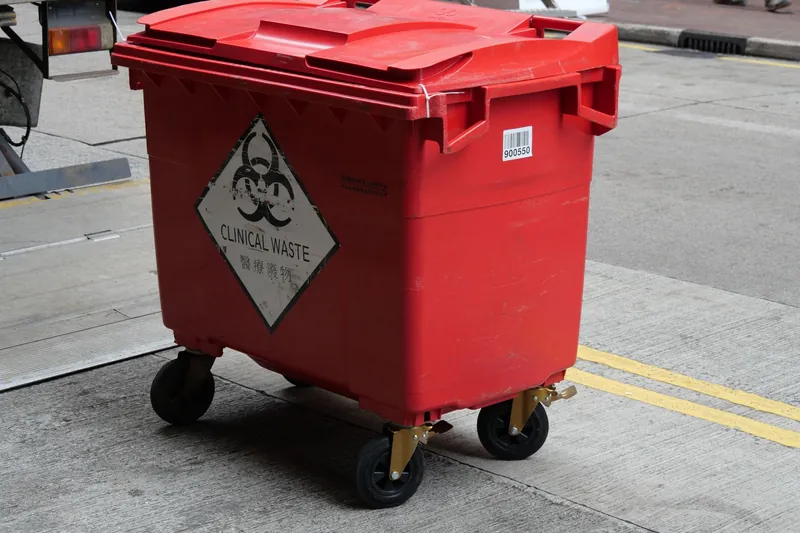
Local housing, population and access details can shape containment, access and cleanup planning.
For an injury during discovery, Dupont Hospital is the nearest listed hospital at approximately 3.0 miles away.
Nearby communities include Eldorado Hills, Brookside Estates, and River Bend Woods, useful geographic references when explaining a property location to a cleanup crew.
The Allen County location helps orient travel, while the neighborhood and full address identify where private cleanup work actually occurs.
Ask on the call about cleanup options for neighboring communities and ZIP codes.
Blood cleanup on carpet, hard floors, walls and furniture with safe disposal.
See blood cleanup
Blood spill cleanup addresses fresh or dried blood spills of every size.
See blood spill cleanup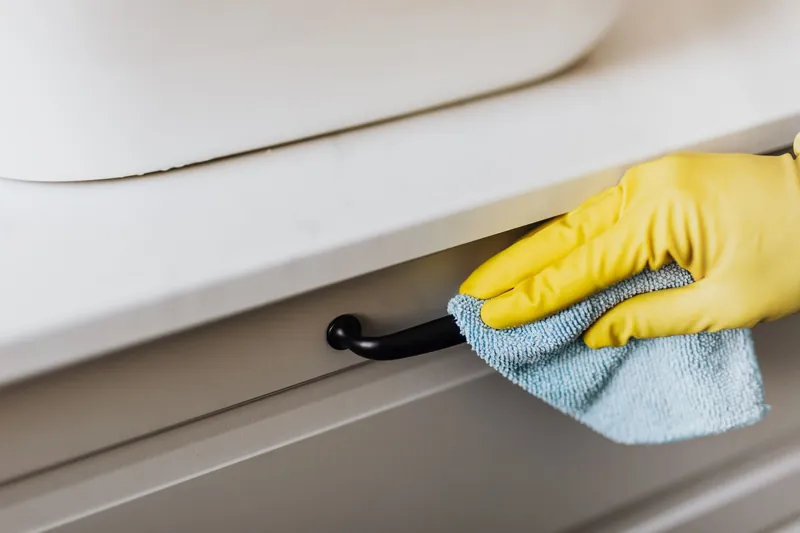
Bodily fluid cleanup and disinfection for homes, care settings and businesses.
See bodily fluid cleanup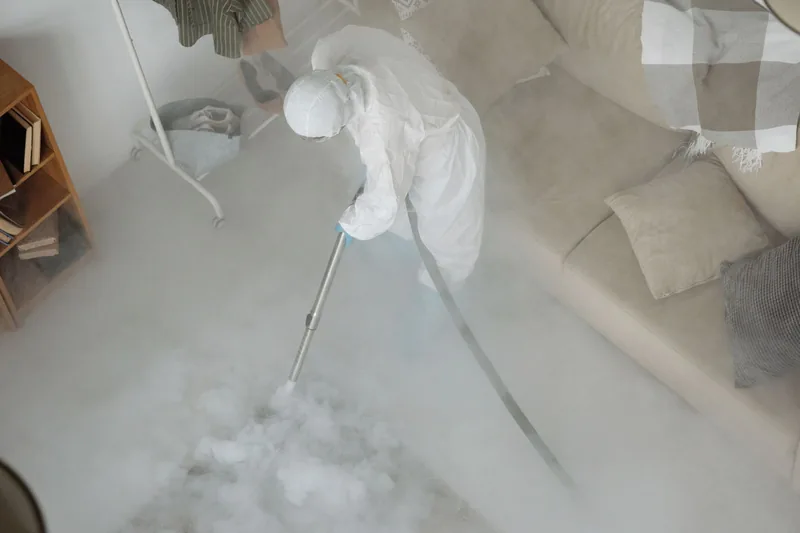
Complete decontamination treats the room, its surfaces and the air after a hazardous or infectious exposure.
See biohazard decontamination
Biohazard waste pickup and disposal in sealed, labeled containers.
See biohazard waste disposal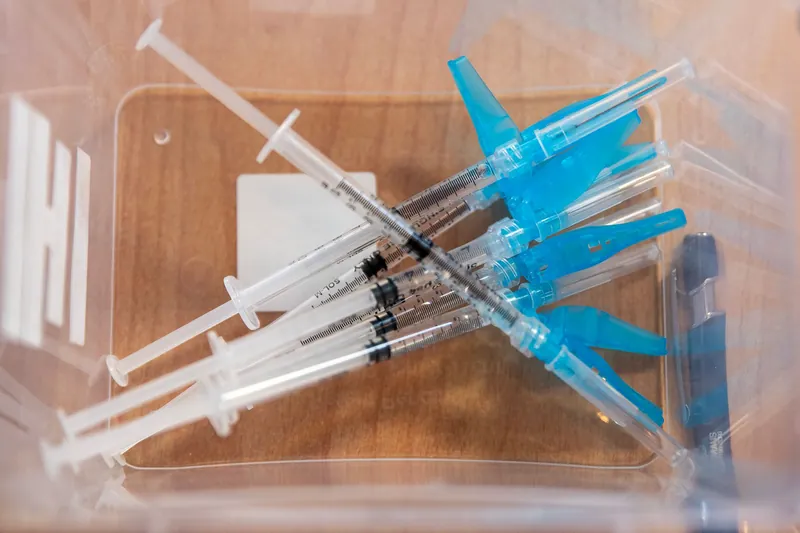
Cleanup removes sharps and needles from parks, rental sites, yards and encampments.
See needle and sharps cleanup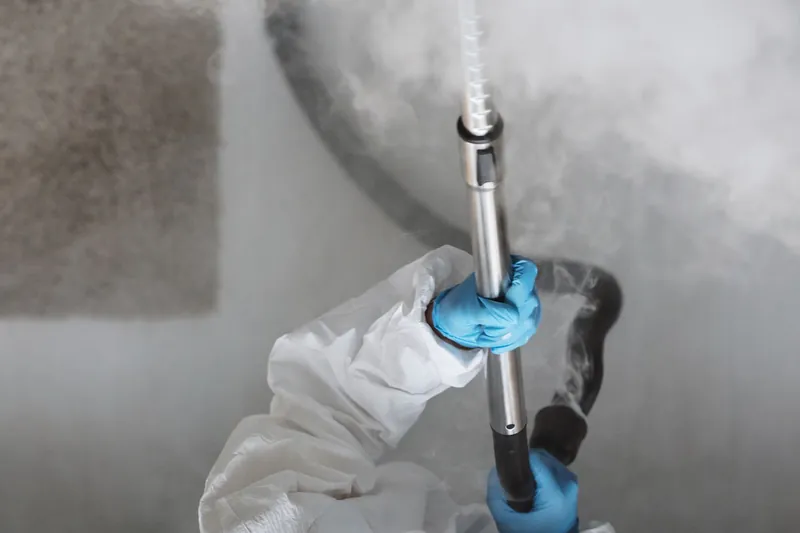
EPA-registered products are applied across all surfaces during infectious disease disinfection.
See infectious disease disinfection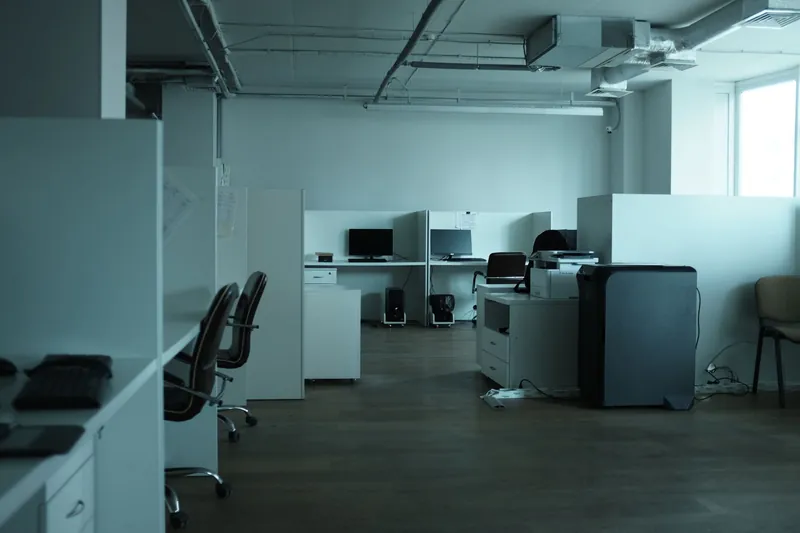
Workplace biohazard cleanup addresses offices after injuries or exposure incidents.
See office and workplace biohazard cleanupManaging a few drops on hard, non-absorbent material may be reasonable when you stay protected and obey every instruction on the disinfectant. Get professional help for any unclear boundary, present sharps or blood contamination involving carpeting, furniture fabric, unfinished wood or drywall.
Move away from the spill and follow the appropriate exposure procedure. For a workplace event, report it through the employer's exposure control process. Get medical advice after a needlestick or any contact involving your eyes, mouth, nose or damaged skin. Decontaminating the spill cannot take the place of medical guidance.
Yes. Potentially infectious material precautions remain appropriate for dried blood. According to the CDC, surface contamination with hepatitis B remains viable for at least seven days. Leave the stain untouched, and avoid vacuuming or sweeping anything that may spread affected particles through air or nearby areas.
OSHA standard 29 CFR 1910.1030 requires employers to follow safeguards when workers may encounter blood on the job. An exposure control plan, appropriate training and protective equipment are among the topics it addresses. Whether an outside cleanup company is used depends on the situation and the employer's safe cleanup arrangements.
The product should be EPA-registered for the intended organisms and surface. Soil must be cleared away before the disinfecting product is applied. The disinfectant needs to stay wet on the material for all of its labeled contact time. Dangerous vapors can result when cleaning products are mixed, making exact compliance with each label important.
Cleanup may finish within one workday when a minor spill affects only accessible solid surfaces. Blood inside upholstered items, carpet padding, walls or more than one room can extend the duration of a larger cleanup. Repair time for removed flooring, drywall or trim is separate from the cleaning and disinfection work.
Discreet, respectful bloodborne pathogen cleanup, 24 hours a day, with crews in unmarked vehicles.