Fentanyl Decontamination
Affected rooms, vehicle interiors and surfaces are decontaminated after fentanyl exposure.
See fentanyl decontaminationGet meth residue testing, decontamination, material removal and clearance steps for a home, rental, business or vehicle in Greendale. Keep people out of affected areas until the property has been assessed.
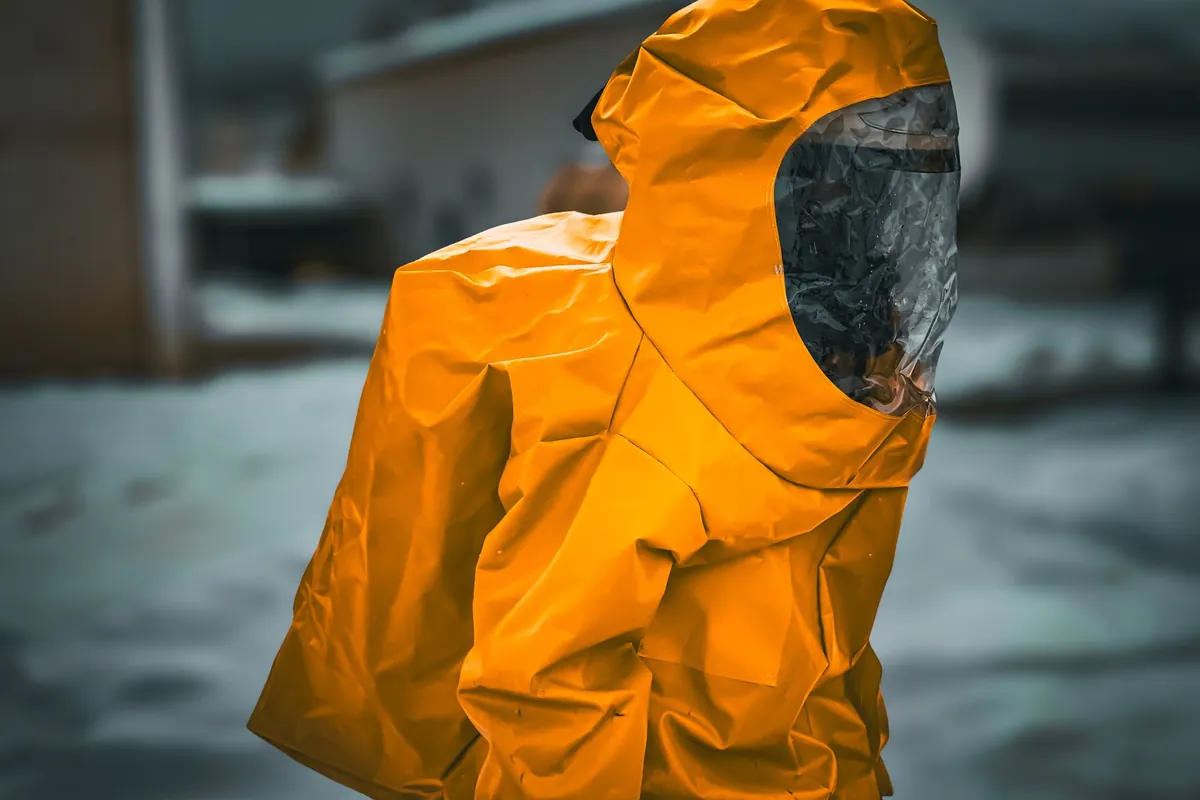
When drug-production chemicals or methamphetamine residue contaminate a vehicle, business, rental or home, meth lab cleanup covers the necessary testing, cleaning and removal.
A clean appearance does not rule out contamination. Smoke produced by meth use can leave residue on floors, personal property, cabinets, walls, appliances and ceilings. Acids, fuels, unknown chemical mixtures, salts and solvents can be found at a production location. A careful assessment of these hazards must happen before ordinary cleaning starts or anyone shifts a container.
Biohazard remediation needs to reflect both the property's testing results and the rules at its location. The affected zone is isolated by cleanup technicians using protective equipment. Uncleanable material comes out, while surfaces left in place are washed and the air system receives attention as needed. Post-remediation sampling shows if the applicable clearance level has been met in the tested areas.
An item-by-item assessment of materials and physical condition identifies belongings that might be cleaned and those that may need discarding.
Controlled work zones and clean access paths limit dust, tools and contaminated materials from moving into the rest of your property.
The cleaning service should maintain an orderly record of photos, job scope, waste disposal and testing, helping you move forward following clearance.
Your written plan should describe affected areas and the testing basis before remediation, along with removal decisions, cleaning methods and clearance steps.
Meth decontamination cleaning services become necessary when reliable history or test results point to residue from production or use. Both the testing findings and the property's background are the starting point in every case. Common examples are:
After meth use is suspected, assess the unit or room under controlled conditions and inspect surrounding areas if evidence indicates a need.
A car, recreational vehicle or truck may have contamination across its seating, flooring, interior trim and ventilation surfaces.
A contractor stops work after discovering suspicious vessels, chemical stains or a prior notice, preventing dust from entering clean spaces.
Law enforcement has released a property where meth was produced, and chemicals, stained materials or residue may remain in several rooms.
Your first job is to prevent exposure and keep residue from moving. Take these steps before professional cleanup begins:
Call (888) 351-0904PushLeads publishes a broad meth lab cleanup range of $5,000 to $120,000 and identifies the typical average as $15,000 to $20,000. Chemical production throughout an entire property creates a different scope than repeated smoking limited to one area, which explains the wide span. The final scope also changes with testing, air-system work, removal of materials and local clearance requirements.
These ranges come from published national cost guides, not from a site visit. The price for your property is set after the on-site assessment, and you hear it before work starts.
Ask about cost: (888) 351-0904Whether insurance covers meth contamination varies with policy terms and the cause. A policy might exclude criminal acts, pollution, contamination or vacancy. Report the finding without delay and ask about any insurance assistance. Get a written decision on coverage before non-emergency work is authorized.
Law enforcement may secure evidence and release the scene, but the property owner generally must arrange environmental testing and remediation afterward.
For a rental, property owners often set up assessment and cleanup. Cost recovery involving a tenant remains distinct from the work needed to make the building safe.
Keep the police release, laboratory results, photographs, the remediation scope, disposal records, invoices and clearance report together.
Describe the discovery of residue when contacting the insurance company. Ask whether coverage includes sampling, remediation, loss of use and removed building materials.
A measured sequence is used for the meth lab cleaning process. Each part must align with the property's assessment, its plan for testing and the local clearance rules that apply.
Ask how cleanup technicians will assess the property history, police release, visible hazards, room layout, ventilation and possible routes of contamination before work starts.
Tests taken from surfaces can define affected areas and create a starting measurement. Choose collection methods and test locations according to the protocol that applies locally.
The scope document covers final clearance procedures along with plans for contents, surface cleaning, material removal and containment.
The work area is separated from clean rooms. Cleanup technicians wear protective gear selected for the site's chemical dangers, contaminated dust and residue.
Items that cannot meet the necessary standard after cleaning, such as carpet, underlay, insulation, upholstered furnishings and harmed building materials, may be taken out for waste disposal.
Remaining ceilings, walls, floors, cabinets and fixtures are cleaned in a controlled order with methods chosen for each material.
Inspect the air system apart from belongings that can be moved. Test results and condition determine whether belongings need cleaning, separation or disposal.
After cleaning is complete and the area is ready for sampling, clearance tests determine whether further work is needed before reoccupation.
You can call anytime. A specialist in meth lab cleanup takes your call, explains each step and agrees on a start time with you.
Serious health risks may remain at a former meth property, even without a strong smell. Exposure can occur from residual production chemicals, skin contact or contaminated dust.
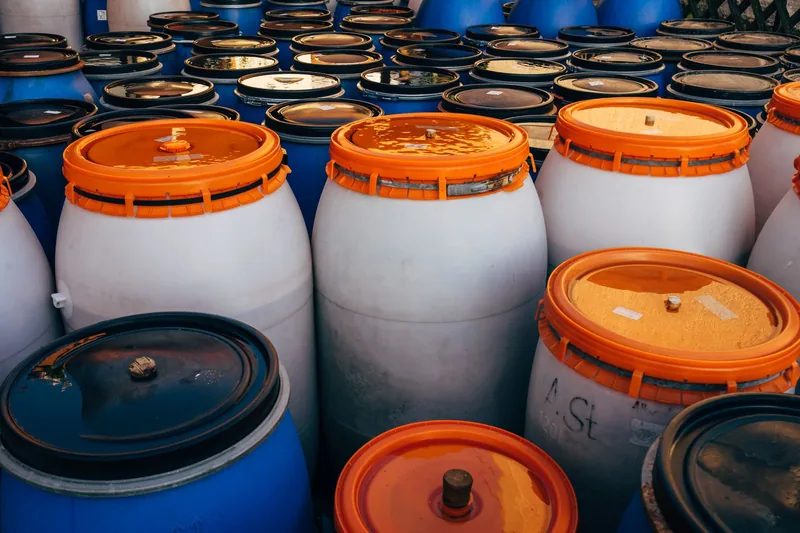
Powders, fluids and containers without labels may pose flammability, reactivity or corrosion hazards. Never open, smell, combine or throw them into household trash.
Residue can settle on counters, walls, floors, toys and other frequently touched items. A normal-looking surface may not meet the required level for clearance.
Animals and children regularly make contact with flooring and objects. Keeping them out of the affected area reduces contact while testing and cleanup are pending.
Can you clean it yourself? Do not treat suspected meth contamination as a small household spill. Household cleaners cannot determine the reach of contamination or confirm that surfaces satisfy the area's clearance threshold. A meth-focused cleanup plan and proper testing offer safer first steps.
Keeping any material depends on two conditions: the remediation plan must approve its cleaning, and the completed area must be capable of passing required clearance.
A limited-area meth lab cleanup may require several workdays, while remediation at a larger production location can last several weeks. Room count alone does not set the timing. Clearance sampling, laboratory turnaround, repeated rounds of cleaning and material removal have greater influence.
| Scene | Typical time on site |
|---|---|
| Restricted residue affecting little space | Commonly several workdays with added lab time |
| Several rooms or HVAC involvement | Often one to several weeks |
| Chemical damage at a former meth production site | Could require several weeks plus multiple clearance rounds |
Odor is not a reliable meth test. A sharp chemical smell can warn you to leave, but a property can have surface residue with little or no noticeable odor. Do not enter to investigate a smell or use fragrance to cover it.
Odor removal and air quality work begin with source control. Production chemicals, contaminated porous materials and settled dust must be addressed before air cleaning can help. The assessment may include the HVAC system, filters, ducts and connected rooms. Clearance decisions should rely on the required sampling, not on whether the space smells clean.
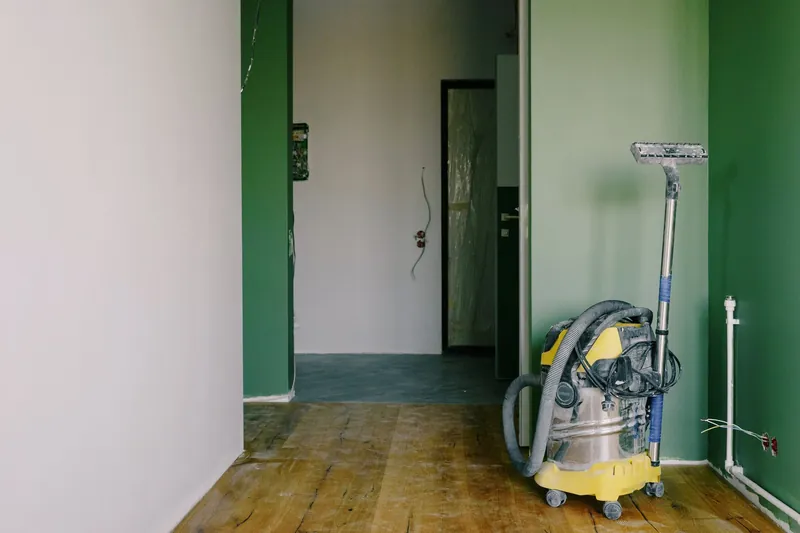
The full meth lab cleanup guide covers what is cleaned or removed, odor and air quality work, and the rules that apply in your state.
Read the full meth lab cleanup guideLocal population patterns, housing and site access may affect how containment and cleanup are planned.
Dupont Hospital is about 2.8 miles from Greendale, which is useful to know when an exposure or injury needs medical attention.
The surrounding area includes campus-court, Park Forest, and Hazelwood, so cleanup travel may cross several local streets or municipal boundaries.
The neighborhood setting makes privacy especially important when equipment must pass through sidewalks, lobbies, or other visible common areas.
During your call, ask whether cleanup is available in surrounding communities and ZIP codes.
Affected rooms, vehicle interiors and surfaces are decontaminated after fentanyl exposure.
See fentanyl decontamination
Removal of needles, pipes and drug residue from rentals and properties.
See drug paraphernalia cleanup
Cleanup of a grow house addresses mold, chemicals and harm caused by indoor cultivation.
See marijuana grow house cleanup
Protective equipment suited to hazardous materials is used during hazmat cleanup.
See hazmat cleanup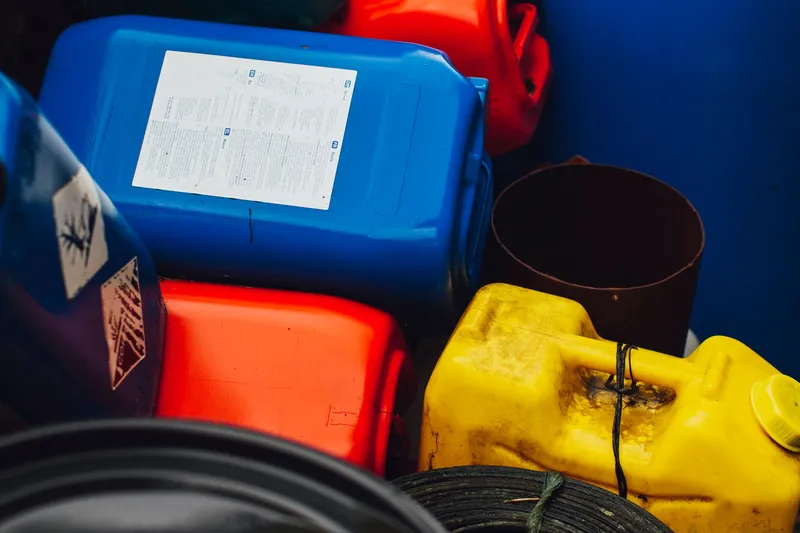
Waste cleanup removes toxic and chemical material for safe disposal.
See chemical and toxic waste cleanup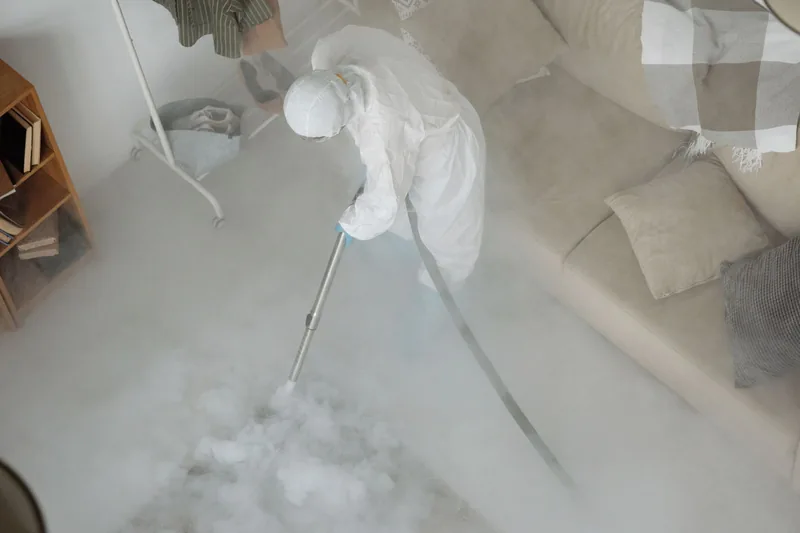
After exposure to infectious or hazardous material, the air, room and surfaces are fully decontaminated.
See biohazard decontamination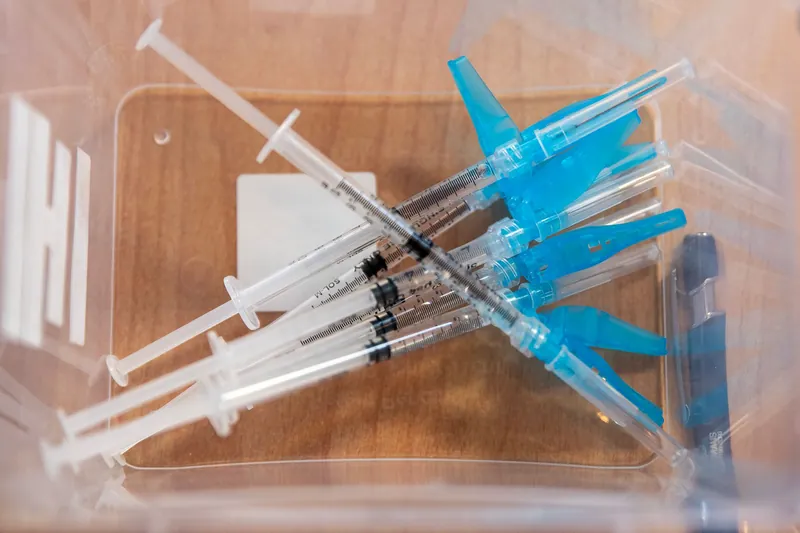
Yards, encampments, parks and rental properties receive needle and sharps cleanup.
See needle and sharps cleanup
Hotels, rental properties and Airbnb units receive biohazard cleanup.
See hotel, airbnb and rental biohazard cleanupSometimes production chemicals leave a sharp or solvent-like odor, but odor alone cannot confirm meth residue or clearance. No obvious smell does not mean the property lacks contamination. Leave if chemical odors are strong, avoid touching containers and rely on surface sampling and the applicable standard.
A police-identified former lab, dependable record of drug production or credible indication of repeated meth use can justify testing. Odd containers, chemical discoloration and powerful smells can signal danger, although neither odor nor visual inspection proves a property has cleared.
Do not assume a property is ready because it looks or smells clean. Before anyone reoccupies the property, follow both your area's applicable standard and the proper public or environmental authority's written recommendation. Testing after remediation supplies measurable proof of whether additional cleanup remains necessary.
Assess every possession according to its construction, physical state, worth and degree of contamination. Some hard, washable belongings may be cleaned. Carpet, upholstery, books and other porous items can be difficult to remediate. Decisions to clean, set aside, sample or discard possessions should appear in the work plan.
A do-it-yourself attempt may distribute affected dust while leaving the outcome difficult to document. Household products do not measure residue or confirm clearance. Start with professional sampling and the local cleanup standard. A written remediation plan can then identify which surfaces may be cleaned and which materials should be removed.
A controlled remediation process addresses a meth lab property affected by meth residue or manufacturing chemicals. Cleanup involves assessment, testing, controlled work zones, removal where cleaning is not possible, surface decontamination and final clearance samples under relevant rules.
Discreet, respectful meth lab cleanup, 24 hours a day, with crews in unmarked vehicles.