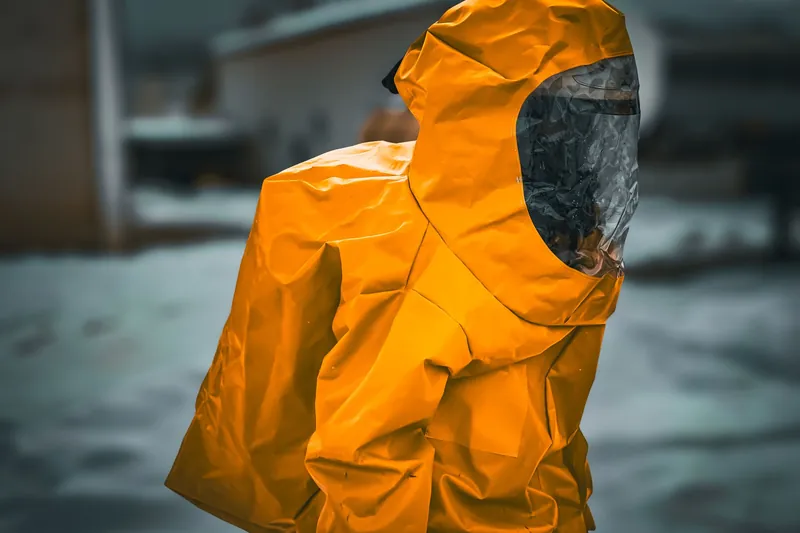
Biohazard Cleanup
Any property receives disinfection after removal of infectious materials, including bodily fluids and blood.
See biohazard cleanupGet blood, bodily fluids, human waste, sharps and source odor removed from a hotel room, Airbnb, vacation rental or long-term rental in Olympia Heights. The area is contained, cleaned, disinfected and documented.
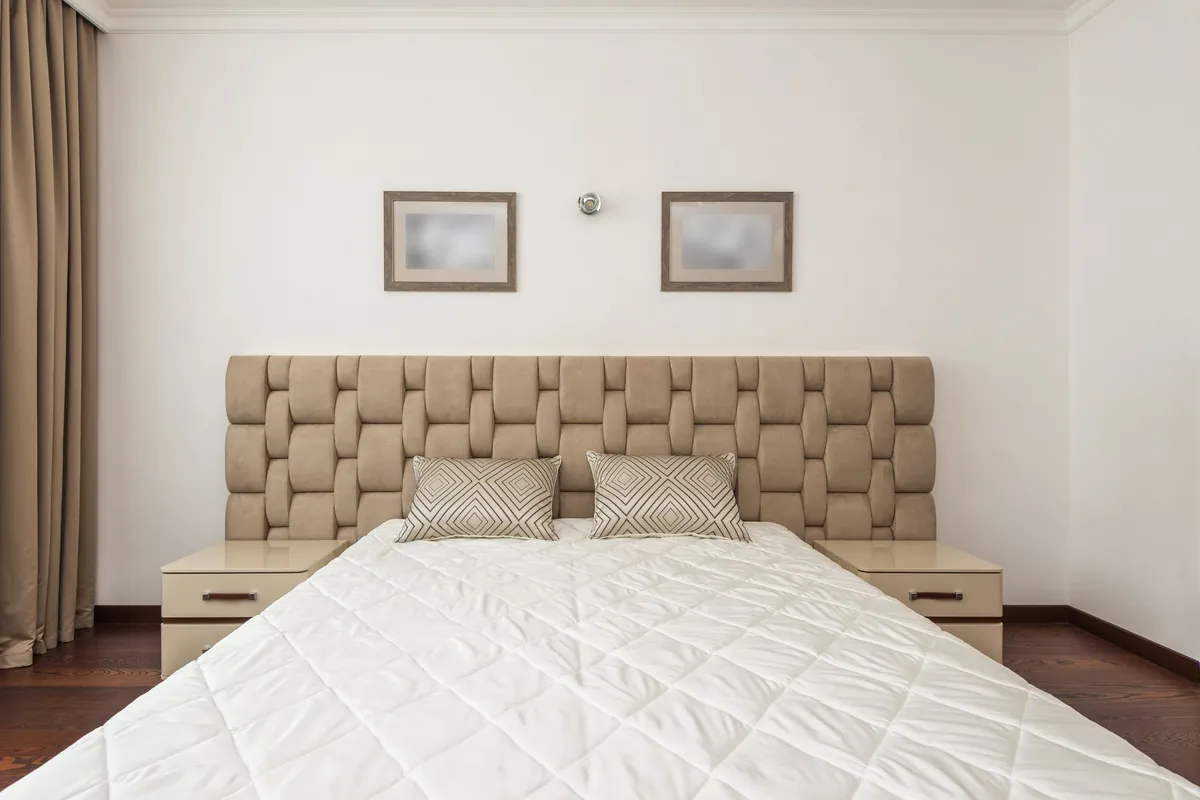
In a guest room, apartment or shared space, rental property biohazard cleanup is a safe process for removing human waste, sharps, bodily fluids and other hazardous materials. After removal, the area is cleaned and disinfected, and odor is treated.
A normal turnover cleaning is meant for dust, food residue and everyday dirt. Biohazard cleaning services are needed when a room contains blood, urine, feces, vomit, decomposition fluids, used needles or another material that may carry germs. Housekeeping staff should not be asked to clean an exposure that falls outside their training and protective equipment.
The cleanup process begins by identifying the affected area and nearby paths that a guest, tenant or staff member may have crossed. Cleanup technicians protect surrounding areas, remove porous materials that cannot be disinfected and treat hard surfaces with an EPA-registered disinfectant for the contact time on its label. The goal is a clean space with no contaminated materials or source odor left behind.
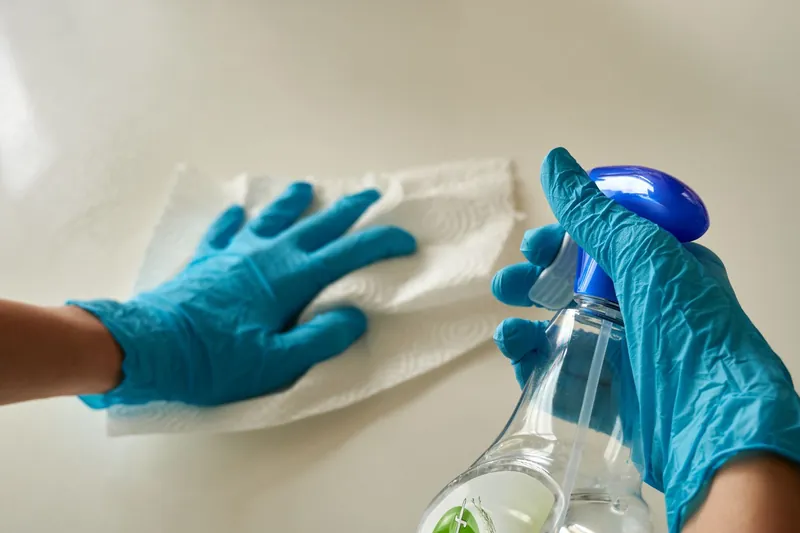
You can call during the day or overnight, and cleanup crews use unmarked vehicles. When available, a private entrance or service corridor can serve as the access route.
You learn the affected area, which materials are salvageable, which items require removal and what drives the cost prior to starting work.
Technicians document and carefully treat personal property. Private information is shared only with people who need it for safety, access or insurance.
Waste records, work notes, photos and invoices can help substantiate the insurance claim while guiding the owner's repair and reopening plans.
A hotel or rental needs biohazard cleaning when ordinary cleaners cannot remove contamination safely. Common examples are:
Safe cleaning at a short-term rental may require first removing affected flooring, linens or soft furnishings.
A welfare check, move-out, illness or injury may leave a long-term rental needing cleanup.
Bedding, bathroom surfaces, carpet and furniture may be affected when a guest room contains blood, bodily fluids or human waste.
A host may find bodily fluids, drug paraphernalia or a strong source odor after checkout and need the unit restricted before the next booking.
What you do first can reduce exposure and spreading while protecting useful documentation. Before cleanup technicians come into the rental, follow these steps:
Call (888) 351-0904There is no dependable published range only for hotel, Airbnb or rental property cleanup. General biohazard cleanup guides list a typical national range of $3,000 to $5,000. A residential average range is $1,800 to $4,500 and most residential projects are $2,500 to $8,000. Fixr also publishes a broad span of $1,500 to $25,000. The actual price depends on the type and reach of the contamination, not the booking rate or unit size alone.
These ranges come from published national cost guides, not from a site visit. You learn what your property will cost after the on-site assessment and before any work begins.
Ask about cost: (888) 351-0904Property insurance may cover rental biohazard cleanup when the cause is a covered event, but coverage, deductibles and exclusions depend on the policy and facts of the loss.
Platform protection and personal property policies have their own limits and exclusions. Document the exact event with booking details, correspondence, notes, photographs and invoices, then speak with the policy contact.
Homeowners or renters insurance, the estate or the property owner usually pays for this kind of cleanup. The Indiana crime victim compensation program helps only when a crime caused the loss. Program terms control eligibility and eligible expenses. The affected person should verify the details with that program.
The property owner usually arranges work that affects the building. The lease, reason for the event, applicable laws and insurer decisions can affect who pays in the end.
An owner or manager needs to report the event and its cause accurately, then ask the insurance company what documents it requires before any damaged materials are discarded.
Each remediation stage is documented, and the work follows a controlled order that helps protect occupied rooms. Scope varies according to the layout, affected surfaces and kind of contaminant.
Cleanup technicians locate the affected area, examine how people entered, check nearby spaces and identify surfaces for possible testing, removal or cleaning.
Containment keeps the room out of use, controls each doorway and divides clean travel routes from working routes.
Careful sorting separates disposable materials, host property, guest possessions and linens. Anything potentially relevant to an investigation remains untouched.
Porous materials such as drywall, upholstery and carpet padding are taken out only when contamination penetrated beyond complete disinfection.
Hard surfaces are cleaned to remove soil before disinfection. The surface is then treated with an EPA-registered disinfectant that remains wet for the entire contact time on its label.
Before using air scrubbers or another odor treatment, technicians remove the source material. Technicians examine surrounding areas and air vents wherever odor moved.
Contaminated waste and sharps are sealed in suitable containers, documented and taken through the disposal route required for that waste.
The final check covers the cleaned space and work records, followed by an explanation of any walls, furnishings or flooring that need replacement.
You can call anytime. A specialist in hotel, airbnb and rental biohazard cleanup takes your call, explains each step and agrees on a start time with you.
Bodily fluids, sharps and hidden contamination can create serious health risks for guests, tenants and employees, even when the affected area looks small.
Discretion during the response helps preserve the person's dignity. Limit entry, avoid sharing photos and give staff only the information needed to keep people away.
A loose needle can puncture skin and expose a host, housekeeper or guest. Sharps and other hazardous waste need suitable containers and disposal under applicable rules.
Blood can carry HIV as well as hepatitis B or hepatitis C. Hepatitis B can live on a surface for at least seven days, the CDC says, which means dry material must still receive careful biohazard cleanup.
Can you clean it yourself? A worker whose role, training and protective equipment cover the hazard may be able to clean a small number of drops from a hard, non-absorbent surface. Seek professional cleanup if fluid entered unfinished wood, carpeting, furnishings or wall cavities, if sharps are found, or if the affected area is not fully visible.
Where contamination traveled determines what may stay. Hard sealed items are often cleanable. Porous ones come out if complete cleaning and disinfection cannot reach the affected area.
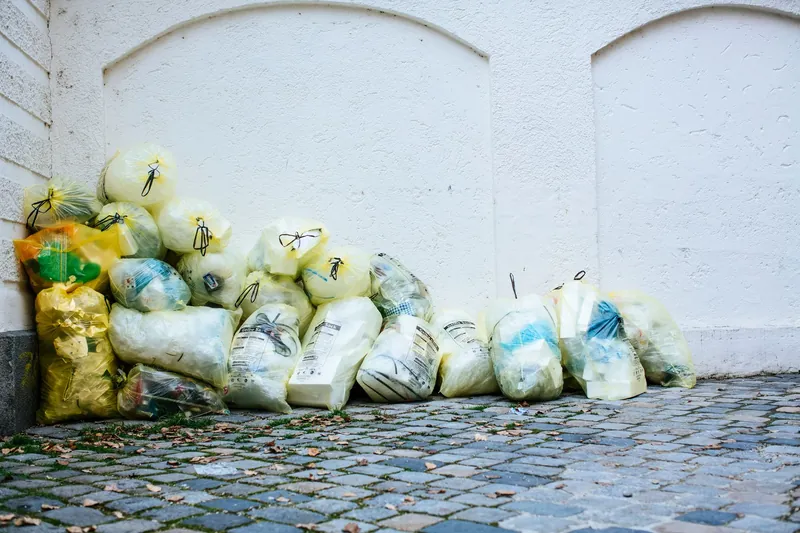
Many rental biohazard cleanups involving a single room take one to three days. A firm timeline requires an assessment of the materials and affected space, and several rooms, structural removal or deep contamination can lengthen the job.
| Scene | Typical time on site |
|---|---|
| One contained room with hard surfaces | Often about one day |
| Typical room with carpet or furniture work | Often one to three days |
| Work involving several spaces or parts of the structure | May take several days |
First locate and remove what is causing the odor. Bleach, fragrance and ozone equipment by themselves cannot address fluid within furniture, a wall cavity, carpet pad or subfloor. Before treating the air for a lasting outcome, the source material must be uncovered and either cleaned or taken out.
HEPA air scrubbers can capture airborne particles following cleanup of the source. In an occupied building, hydroxyl treatment may be appropriate under suitable conditions. Ozone treatment calls for an empty controlled space and careful re-entry procedures. Checks extend to HVAC returns, adjacent units and hallways if the odor spread from its original location.
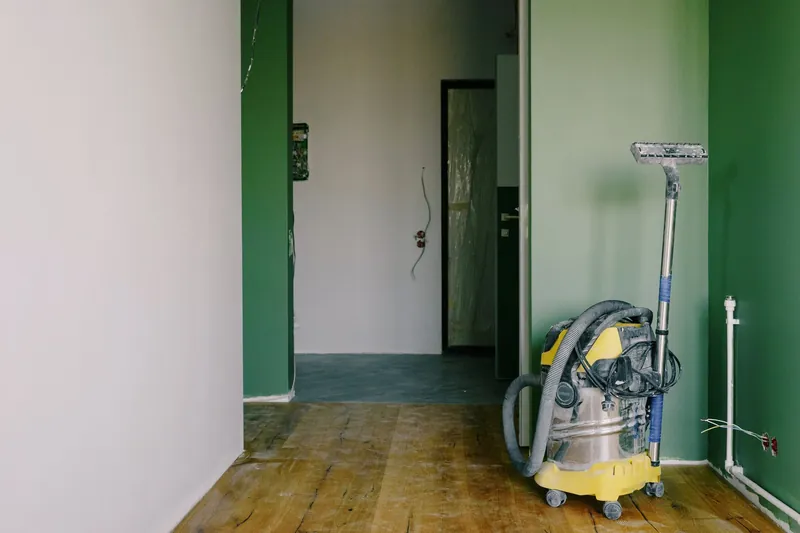
The full hotel, airbnb and rental biohazard cleanup guide covers what is cleaned or removed, odor and air quality work, and the rules that apply in Indiana.
Read the full hotel, airbnb and rental biohazard cleanup guideLocal housing, population and access details can shape containment, access and cleanup planning.
Knowing that St Joseph Health System is about 2.7 miles away helps households plan where to seek care before arranging scene cleanup.
With Harris Meadow, Cedar Ridge, and North Franke Park close by, accurate street and unit details help avoid confusion during a sensitive response.
Properties within this Fort Wayne neighborhood may share alleys, entries, or parking, so equipment movement should be planned around nearby residents.
Your phone conversation can include questions about service in nearby ZIP codes and communities.
Any property receives disinfection after removal of infectious materials, including bodily fluids and blood.
See biohazard cleanup
Carpet, solid floors, walls and furnishings receive blood cleanup that includes safe disposal.
See blood cleanup
Across care settings, commercial spaces and homes, bodily fluid cleanup includes disinfection.
See bodily fluid cleanup
Cleanup after an undiscovered death includes odor control and the effects of days of decomposition.
See unattended death cleanup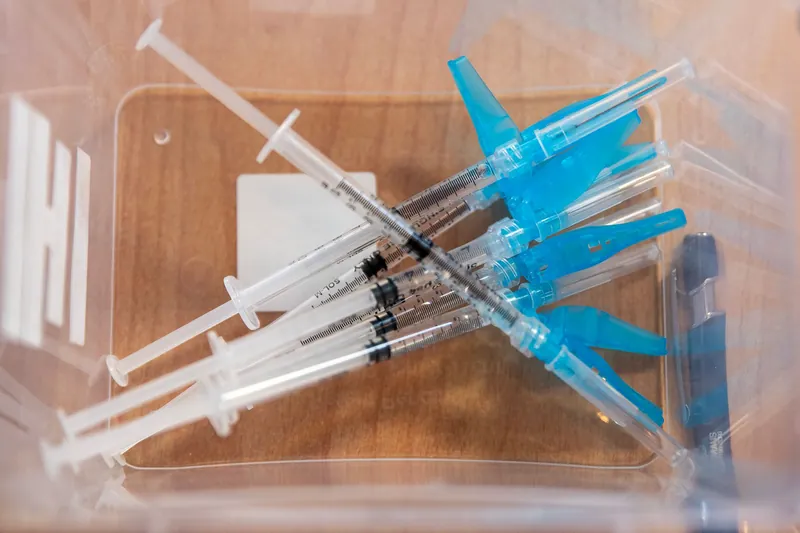
Needles and other sharps are removed from rentals, yards, encampments and parks.
See needle and sharps cleanup
Floors, underlying subfloors and furniture receive urine cleanup with odor removal.
See urine cleanup
Vomit cleanup and disinfection to stop norovirus and other germs from spreading.
See vomit cleanup
Cleanup after tenants move out or are evicted addresses filth, fluids and discarded waste.
See eviction and tenant move-out biohazard cleanupEntry into the space is blocked first. Sharps are picked up with suitable tools and placed directly into puncture-resistant sharps containers. Likely hiding spots are checked visually and with care. Workers never put their hands blindly into furniture, bed linens or garbage. The disposal method must comply with state rules covering sharps and regulated waste.
Professional cleanup removes blood, human waste, bodily fluids, sharps and additional contaminated materials from hotels, vacation rentals, Airbnb units and long-term rental homes. Cleanup covers restricted access, removal of material that cannot be disinfected, hard-surface cleaning, source odor treatment and use of the proper disinfectant for its entire contact time.
There is no dependable published range only for rental properties. General biohazard pricing guides place the residential average from $1,800 to $4,500 and the typical national range from $3,000 to $5,000 in their published figures. The affected rooms, surface types, waste, odor work and depth of contamination determine the actual price.
Coverage may apply when the incident qualifies under platform protection or the property's insurance policy. Deductibles, exclusions and documentation rules vary. Describe the cause accurately, ask whether biohazard remediation and damaged building materials are covered, and confirm whether the adjuster needs photos before contaminated items are removed.
The answer depends on whether bodily fluids entered absorbent layers that cannot be reached completely. Minor surface contamination may be cleaned when the material is compatible, while fluid within carpet padding, a mattress or an upholstered cushion often means removal. Technicians consider the depth of impact and their ability to clean and disinfect the complete affected area.
Do not reopen the room before removing contaminated material, completing cleaning and disinfection, treating the odor source and finishing the final check. Contained hard-surface cleanup might require about a day. Carpet, furniture, wall or subfloor work can take one to three days or longer.
You can request respectful, discreet hotel, airbnb and rental biohazard cleanup 24 hours a day, and crews use unmarked vehicles.