COVID-19 and Virus Disinfection
Following an outbreak, virus disinfection covers residential properties, offices and shared areas.
See covid-19 and virus disinfectionGet infectious disease cleanup for a home, office, school, rental or shared space in Villlas of LaCabreah. The process covers cleaning, EPA-registered disinfectants, label contact time and a final check of treated surfaces.
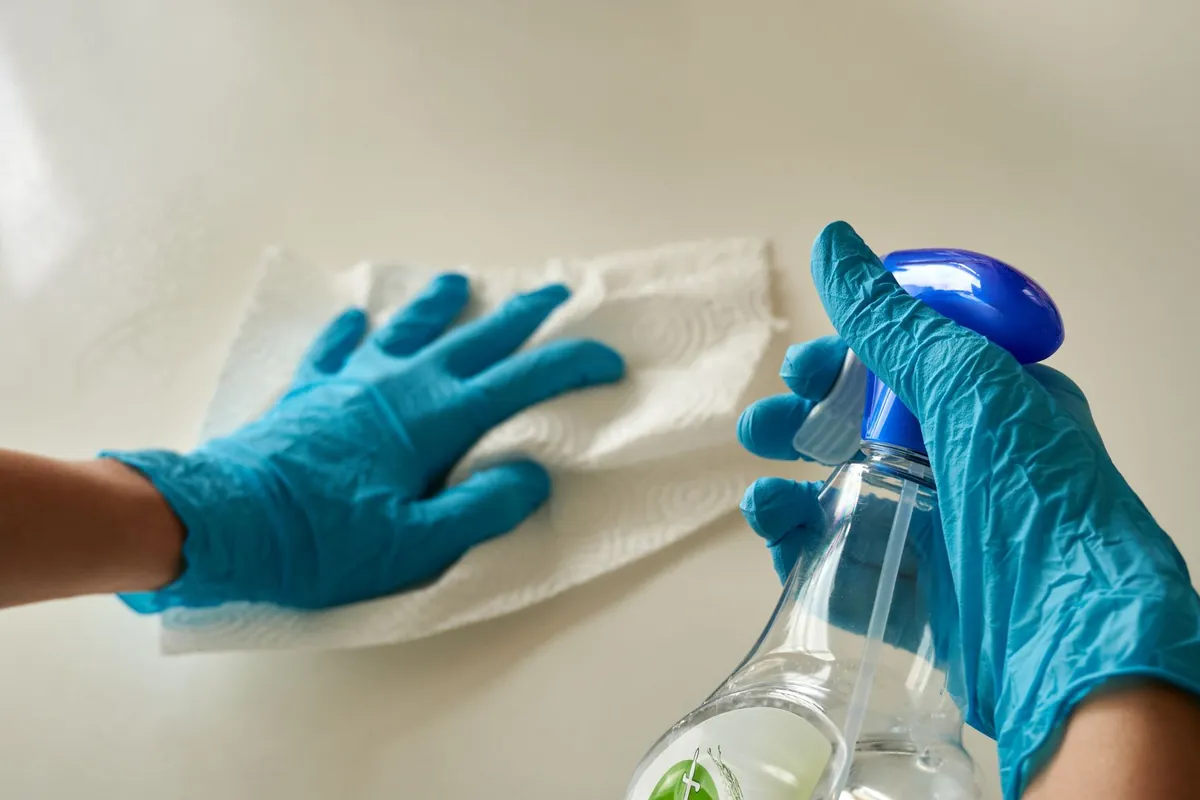
Infectious disease cleanup is a planned cleaning and disinfection process for spaces where a virus, bacterium or other disease-causing germ may be present. It focuses on affected areas, high-touch objects and surrounding surfaces that people may contact.
The cleaning process begins by identifying how the space is used, what contamination may be present and which surfaces can tolerate the selected product. Visible soil is removed first. An EPA-registered disinfectant is then applied according to its label, including the listed contact time. A surface must stay wet for that time so the product can work as directed.
A suitable setting may be a residence, school, workplace, restaurant, rental, healthcare facility or vehicle used by several people. The difference from ordinary cleaning is that a possible or confirmed infectious disease concern defines the work. If hazardous materials, blood or bodily fluids are involved, the job becomes biohazard remediation and could call for added protective gear, disposal of waste and removal of materials.
Crews may keep activity within affected areas and use unmarked vehicles, helping you move forward discreetly.
Clear information should cover the chemical, its dilution, suitable surfaces and required contact period, rather than implying a fast spray is sufficient.
You should know which rooms, objects and surfaces are included, which areas are outside the scope and what happens at each step.
You may identify fragile items in advance and discuss which ones should receive cleaning, be relocated or remain untouched.
You may need infectious disease cleaning when ordinary janitorial work cannot address a known illness, suspected exposure or contamination incident. Common examples are:
A defined scope for offices, schools, rentals and other places where several people use the same rooms and fixtures.
Customer spaces, staff areas, restrooms, break rooms and shared touchpoints receive cleanup services based on a set treatment plan.
In rooms occupied by someone who was ill, visible soil is cleaned before compatible surfaces are disinfected.
Added household support can target your kitchen, bathrooms, bedrooms and living areas used by others.
Your immediate priorities are stopping anyone from touching the affected space and telling technicians what occurred. Before they begin work:
Call (888) 351-0904Virus decontamination appears in published cost guides at $1,500 to $3,500 for each job. Those guides put one infectious disease decontamination range at $1,000 to $8,000 and the other at $2,000 to $8,000 per job. A separate biohazard cleanup cost guide gives $1,500 to $10,000 per job for infectious disease disinfection. Costs vary with the germ, size of the space, number of surfaces, required air system work and need for testing.
These ranges come from published national cost guides, not from a site visit. An on-site assessment determines your property's price, which is explained to you before the cleanup starts.
Ask about cost: (888) 351-0904Coverage depends on the policy, the cause of the contamination and the property involved. Do not assume that routine disinfection or a preventive cleaning visit is covered. Ask your insurance company about the exact event before work begins when circumstances allow.
Responsibility can depend on the lease and the part of the property involved. Before choosing who authorizes the service, read the applicable paperwork.
Insurance assistance may organize invoices, the work scope, suitable photos of the affected area and a treated-surface list for your claim records.
Ask whether contamination cleanup is covered, what deductible applies and whether the insurer needs photos, a scope or other records.
How cleanup costs are treated may differ between business and residential policies. Coverage is decided by the policy's wording together with the reason for the loss.
Remediation follows a plan based on the areas involved, the germ of concern and directions on the disinfectant label. Steps progress with a clear purpose from limiting access through reviewing the finished scope.
Cleanup involves reviewing bodily fluids or waste, affected rooms, frequently touched surfaces and sensitive items that may reshape the plan.
Access is restricted and a route from clean areas toward dirty ones protects surrounding spaces from equipment and people walking through.
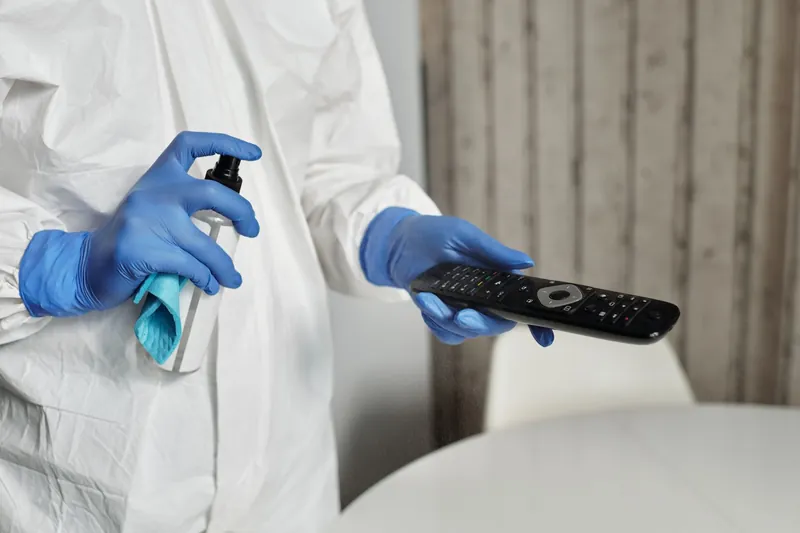
The stated exposure, work task and chosen product determine which gloves and additional protective equipment are used.
Each surface is cleaned of dust, soil and visible material using a fitting method before any disinfectant is applied.
Compatible materials receive an EPA-registered disinfectant mixed at the label dilution, and they remain wet throughout the listed contact time.
Door hardware, switches, counters, bathroom fixtures and shared equipment receive deliberate coverage rather than a general mist alone.
Tools kept for reuse undergo cleaning, while disposable items are contained and hazardous waste is isolated for proper disposal.
Documentation closes the entire process after treated areas are reviewed against the scope, giving you a clear record of the surfaces and rooms addressed.
You can call anytime. Your infectious disease disinfection specialist answers the phone, describes what happens next and works with you on a start time.
Exposure to contaminants, mistakes with cleaning products and missed high-touch surfaces are the primary risks. Each one is addressed through a deliberate cleanup process, not a fast application of spray.
Contaminated materials can shield germs from a disinfectant and create serious health risks through avoidable contact. Visible residue has to be cleaned away before an appropriate product remains on the surface for its entire contact time.
A contaminated shoe, glove, cloth or tool can transfer material onto another surface. An established work zone and planned direction of travel help limit that risk.
How long germs stay viable and how they spread varies between bacteria and viruses. The possible germ, its setting and the surface involved determine the disinfection approach.
Can you clean it yourself? When no exposure is known and neither hazardous waste nor bodily fluid is present, normal cleaning may suffice. If an illness has affected several rooms, a vulnerable person uses the space, or you cannot identify the boundaries of the affected area, professional cleanup can give you a documented and consistent process.
How long cleanup takes depends on area size, surface count, disinfectant contact time and whether sections can be treated separately. The site must first be assessed to establish a schedule you can rely on.
| Scene | Typical time on site |
|---|---|
| Focused area in a home | Often requires only one period of work |
| Several affected spaces or a shared work setting | May be completed through planned sections or one longer session |
| Large facility or complex surface mix | Can require more than one arranged work period |
Odor treatment is not an automatic part of infectious disease disinfection. If a smell continues, its cause could be an animal, bodily fluids, moisture, sewage, spoiled food or another source requiring separate cleanup. Simply covering an odor fails to eliminate the cause. Cleaning and disinfection cannot be replaced with fragrance.
Air quality needs vary according to what happened. Work on an air system is distinct from ventilation and surface wiping. When HVAC components or air treatment are within the scope, methods must fit both the structure and its occupied-space directions. High-touch cleaning, complete product coverage and the label's required contact time must still occur, even if spraying or fogging is used.
OSHA Bloodborne Pathogens Standard 29 CFR 1910.1030 applies when workers can be exposed to blood or other potentially infectious materials.
Proper use requires a surface that tolerates the product and adherence to the EPA label for dilution, application and full contact time.
Indiana treats soaked materials from a biohazard scene as infectious waste. Indiana Department of Health rules control containment, labeling and transport, and IDEM regulates offsite management, so it cannot go in household trash. Identify the material before disposal because regular cleaning debris and regulated medical waste can take separate routes.
Healthcare settings, schools, food areas and other facilities may have added cleaning protocols. The plan still needs to incorporate your site's requirements and up-to-date public health instructions.
The full infectious disease disinfection guide covers what is cleaned or removed, odor and air quality work, and the rules that apply in Allen County.
Read the full infectious disease disinfection guide
Containment, entry and cleanup plans can be influenced by local housing, population and access details.
The nearest listed emergency facility is Parkview Regional Medical Center, about 1.7 miles away, so medical care remains separate from property cleanup.
The nearby places of tesoro-villas, Woodmont, and Eagle Lake give useful orientation when arranging equipment delivery and waste pickup.
Neighborhood level directions help narrow the location, but crews still need entrance details before bringing containment and cleaning equipment inside.
During your call, ask whether cleanup is available in surrounding communities and ZIP codes.
Following an outbreak, virus disinfection covers residential properties, offices and shared areas.
See covid-19 and virus disinfection
Cleanup in gyms, residences and care settings addresses C. diff, norovirus and MRSA.
See mrsa, c. diff and norovirus cleanup
Rooms, surfaces and air receive complete decontamination following infectious or hazardous exposure.
See biohazard decontamination
Biological remediation removes contamination so the space can be safely used again.
See biohazard remediation
Planning for industrial and commercial biohazard cleanup considers operations and access to the site.
See commercial and industrial biohazard cleanup
Biohazard cleanup addresses care homes, medical clinics and healthcare settings.
See hospital and healthcare biohazard cleanup
After exposure or injury, workplace biohazard cleanup covers offices and other work sites.
See office and workplace biohazard cleanup
Outside teaching hours, biohazard cleanup treats daycare and school facilities.
See school and daycare biohazard cleanupClean visible dirt and residue first, then disinfect compatible high-touch surfaces with an EPA-registered product. The label states how to apply the product, ventilate the area, choose protective gear and keep surfaces wet. Secure disposable items, clean reusable equipment as directed and keep used gloves or cloths out of surrounding areas.
Urine does not automatically receive identical treatment in every situation. Applicable disposal rules, volume, any blood and the related health condition all affect how the material is managed. Choosing the proper disposal method and protective gear requires a clear pre-cleanup explanation, while you avoid direct contact and restrict others from the area.
Your policy and the reason cleanup became necessary determine the answer. Policy treatment may differ between preventive disinfection and cleaning associated with a covered loss to the property. Give your insurance company the facts without speculation and ask about documentation, exclusions, your deductible and pre-work approval requirements.
One environmental step cannot suit each setting and every disease. Hand hygiene, appropriate cleaning and disinfection, ventilation, protective equipment and staying away from others when advised can each matter. Use up-to-date directions for the illness involved. When working on surfaces, it is essential to clean before disinfection and follow the label's required contact time.
The plan should define common touchpoints along with the restaurant's employee, restroom and customer areas. Food-contact surfaces need products and follow-up steps appropriate for that use. Soil is cleaned away before disinfecting, and every product stays on the surface for the complete contact period on its label. The latest directions for food safety and public health continue to apply.
Begin by identifying whether the wood has a seal, is raw or carries a different finish. Follow the label and limit treatment to a cleaner plus EPA-registered disinfectant made for that type of surface. When suitable, try the product on a concealed small spot. A different method may be necessary for absorbent, damaged or raw wood compared with sealed furniture.
Discreet, respectful infectious disease disinfection, 24 hours a day, with crews in unmarked vehicles.